
World Heritage Conservation Area
Ujung Kulon National Park is the oldest national park in Indonesia, as it was designated a conservation area during the colonial period in 1937. Officially, Ujung Kulon National Park (TNUK) was declared a national park in 1992. Ujung Kulon National Park, together with the Krakatau Nature Reserve, was also designated as a UNESCO World Heritage Site in 1992.
Ujung Kulon National Park covers an area of 120,551 hectares, consisting of marine, coastal, and terrestrial ecosystems. The biodiversity of Ujung Kulon is remarkably rich. Research shows that following the eruption of Mount Krakatau in 1883, the Ujung Kulon area experienced significant ecological succession, with various plant species emerging and forming new ecosystems. Located at the western tip of Java Island in Banten Province, Ujung Kulon borders Anak Krakatau, which remains active, making the area vulnerable to natural disasters.
Habitat of Key Endemic Species
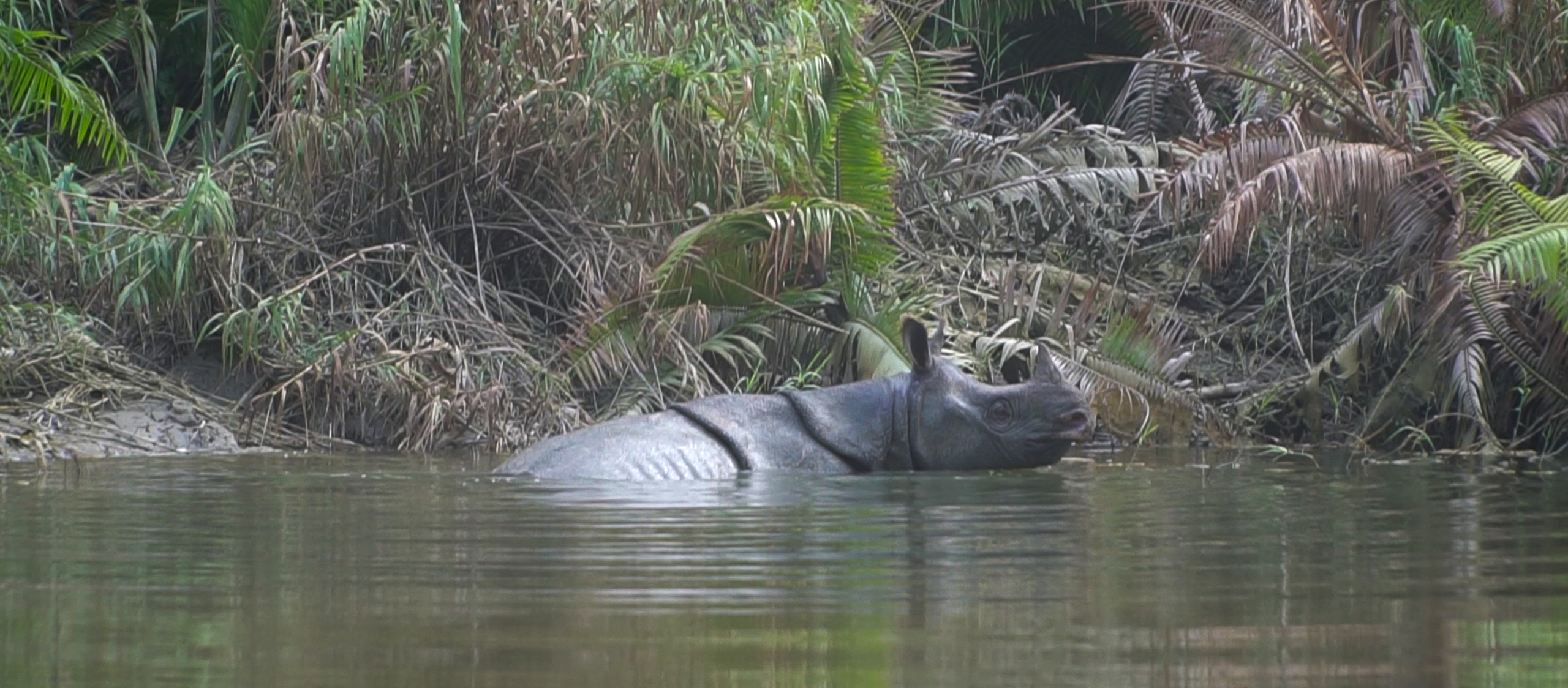
With its rich biodiversity, Ujung Kulon is home to several key species, including the Javan gibbon (Hylobates moloch) and the endemic Javan rhinoceros (Rhinoceros sondaicus). Ujung Kulon is the last remaining habitat of the Javan rhinoceros after the species was declared extinct in Vietnam in 2011. With a single remaining population, the Javan rhinoceros is in a race against time for its survival.
In addition to this, various threats have been identified, both intrinsic (inbreeding, genetic vulnerability affecting survival rates) and extrinsic (poaching, natural disasters, and habitat carrying capacity limitations). In response, the Government of Indonesia is committed to safeguarding the Javan rhinoceros population.
ALeRT’s Colaboration with the Ujung Kulon National Park Authority
Since signing a cooperation agreement (PKS) with the Ujung Kulon National Park Authority, ALeRT has continuously supported Javan rhinoceros conservation programs. These include monitoring Javan rhinos using camera traps, data collection through SMART Patrol, securing the area through real-time camera trap systems, operating a situation room, involving coastal communities in coastal area management, and supporting Javan rhino propagation programs.
The support provided by ALeRT includes not only technical and operational assistance but also grants of essential equipment to support field operations.
Participation of Local Communities
As in Way Kambas and East Kalimantan, Ujung Kulon is surrounded by 19 buffer villages whose livelihoods—economically and culturally—are closely tied to the park. This presents unique challenges for the Ujung Kulon National Park Authority in managing the area.
However, together with ALeRT, this challenge is being transformed into an opportunity through various forms of community engagement in conservation programs. One such initiative involves engaging coastal communities in developing management plans for Ujung Kulon’s coastal areas. This initiative is expected to strengthen collaboration toward inclusive conservation efforts in Ujung Kulon National Park.


