Way Kambas National Park Conservation
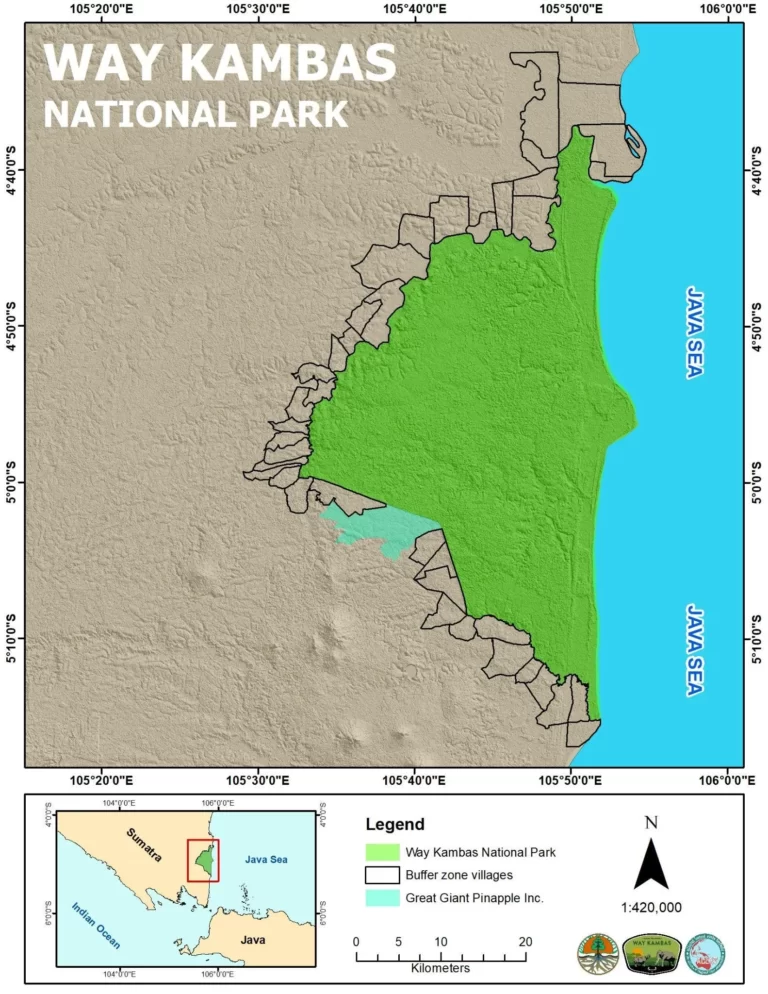
Way Kambas National Park is one of the national parks located in Lampung Province. The Way Kambas area was first designated as a conservation area in 1936, but it was officially declared a national park in 1989. Way Kambas National Park covers 125,631.31 hectares and consists of several ecosystem types, including lowland forest, swamp forest, coastal forest, and mangrove ecosystems.
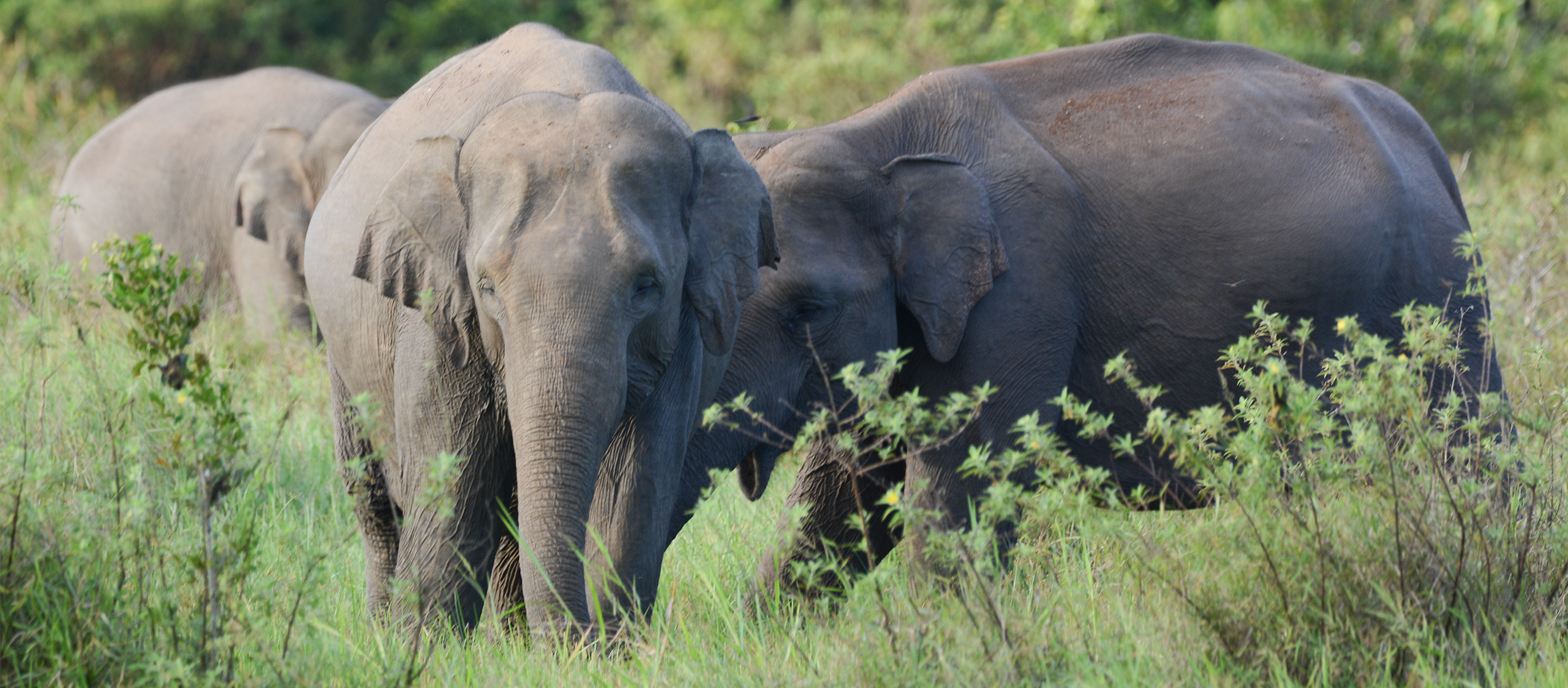
Way Kambas is also home to the “Big Five” large mammal species: the Sumatran tiger (Panthera tigris sumatrae), Sumatran elephant (Elephas maximus sumatranus), Sumatran rhinoceros (Dicerorhinus sumatrensis), Asian tapir (Tapirus indicus), and sun bear (Helarctos malayanus). In addition, the area serves as a migration site for various bird species from Australia and Asia, making it a prime destination for bird watching during migration seasons.
ALeRT’s intervention within Way Kambas National Park focuses on the conservation of endangered wildlife such as the Sumatran rhinoceros, Sumatran tiger, and other species. This includes supporting monitoring activities using camera traps in ecosystem restoration areas to assess the success of succession and reforestation efforts, as well as monitoring the population of the white-winged duck (Asarcornis scutulata), an endemic species often overlooked but playing a crucial role in the park’s swamp ecosystem.
Challenges and Restoration Efforts
Forest degradation in Way Kambas National Park has occurred since the 1970s, when parts of the area were opened for Forest Concession Rights (HPH). Some areas of the park are now open land dominated by alang-alang grass and shrubs, resulting from frequent forest fires that have reduced forest cover and hindered natural succession processes.
The Way Kambas National Park Authority initiated intervention programs through reforestation between 2003 and 2014 under the National Movement for Forest and Land Rehabilitation, covering more than 8,000 hectares of planting areas. In 2010, ALeRT committed to strengthening area management through an ecosystem restoration program, which later became the foundation for broader reforestation efforts in Way Kambas National Park.
With the park surrounded by 38 buffer villages in East Lampung and Central Lampung Regencies, management presents unique challenges due to relatively open access to the area. Therefore, reforestation efforts initiated by ALeRT in collaboration with the Way Kambas National Park Authority actively involve communities from buffer villages. Community empowerment remains central to ALeRT’s programs to ensure the sustainability of conservation efforts. This includes wildlife monitoring programs, community development through the sustainable use of biological and cultural resources via ecotourism initiatives, and area protection through the establishment of reforestation camps jointly managed with the Way Kambas National Park Authority.
Collaboration and Participation
In addition to ecosystem restoration, ALeRT supports the Way Kambas National Park Authority in forest fire prevention and response by forming a forest fire brigade team that remains on standby.
To expand the impact of its conservation efforts, ALeRT continues to open opportunities for collaboration with individuals and institutions interested in supporting the conservation of Way Kambas National Park through internship and volunteer programs that have been running since 2013.